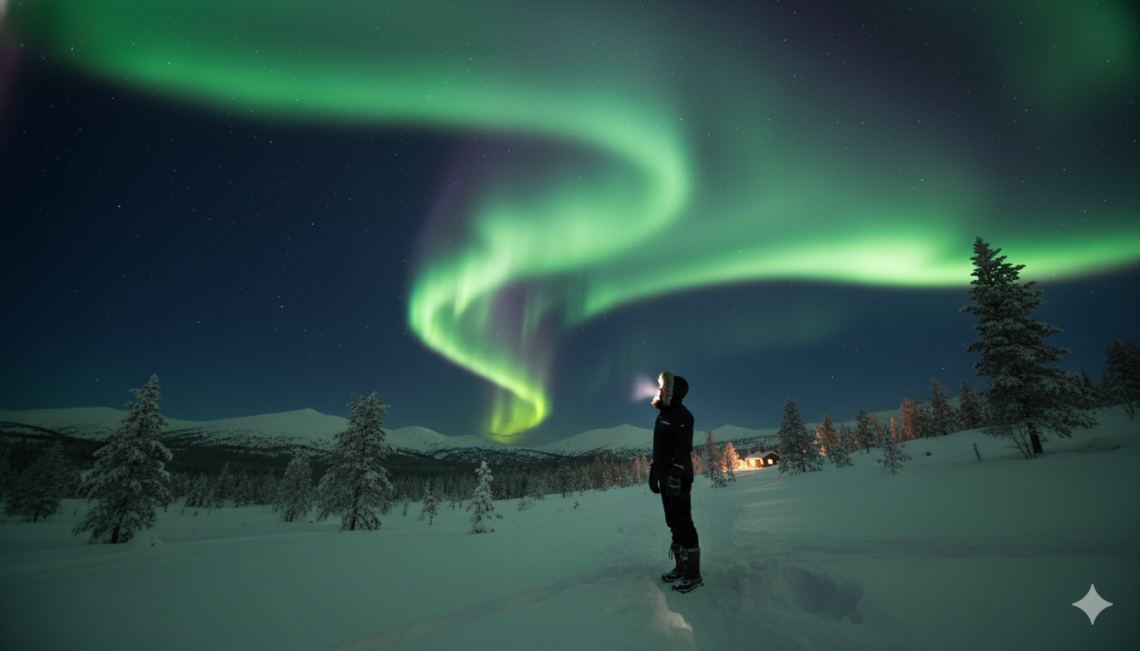
Imagine standing outside in the crisp winter air. The ground is covered in crunchy white snow. Suddenly, a bright ribbon of green neon light dancing across the dark sky catches your eye. It twists, turns, and glows like magic. This beautiful show is called the aurora borealis, or the northern lights. Seeing it in person is a dream for many people.
Right now is the absolute best time to plan a trip. The sun has been very active lately. This means the lights are brighter and easier to see than they have been in over ten years. But you cannot see them just anywhere. You have to travel to specific spots near the top of the world. Finding the aurora best places to see is the first step to making your dream come true. Let us look at the top places to watch this amazing space show.
What Exactly Is the Aurora Borealis?
Before we pack our bags, let us talk about what these lights actually are. The lights start all the way up on the sun. The sun shoots out tiny, invisible energy pieces called solar particles. These particles travel fast through space toward Earth.
When they get close, they hit Earth’s magnetic shield. This shield guides the particles toward the North and South Poles. When the sun particles crash into the gases in our air, they light up. It is very much like how electricity makes a neon sign glow. Green is the most common color, but you can sometimes see pink, purple, and blue.
Why 2026 Is the Perfect Year to Go
The sun follows an eleven-year cycle of activity. Right now, we are in a special peak phase called the Solar Maximum. During this time, the sun has more sunspots and shoots out way more energy particles.
Because of this high solar activity, the lights are much stronger. They also show up more often. Sometimes, the lights travel so far south that people can see them from their backyards in places like the northern United States or Europe. However, to guarantee a great view, you should still travel up north to the aurora best places to see.
Fairbanks, Alaska: The Best Spot in America
If you live in the United States, Fairbanks is one of the easiest and finest options. It sits directly under a zone called the auroral oval. This is a ring around the Earth where the lights show up most often.
Fairbanks has very clear skies because it is far away from the ocean coast. Ocean clouds can block your view, but the inland air here stays dry and crisp. You can stay in a cozy cabin or visit the Chena Hot Springs. There is nothing quite like sitting in a warm, natural pool of hot water while watching green lights dance directly over your head.
Tromsø, Norway: The Arctic City Adventure
Tromsø is a lovely city located in northern Norway. People often call it the “Gateway to the Arctic.” It is a fantastic choice if you want to see the lights but still want great restaurants and warm hotels.
Even though it is very far north, the ocean currents keep Tromsø a bit warmer than Alaska or Canada. You can easily book an evening bus tour that chases clear patches of sky. The city is surrounded by huge, beautiful mountains and deep water fjords. Seeing the green lights reflect off the dark ocean water is a view you will never forget.
Abisko, Sweden: The Land of Clear Skies
Abisko is a small village in Swedish Lapland. It is famous for a very special reason. It has a unique local weather pattern that keeps the sky clear almost all the time.
The village is surrounded by tall mountains that block incoming rain and clouds. Scientists call this a microclimate. Because the skies stay so clear, Abisko is widely known as one of the aurora best places to see in the entire world. You can ride a chairlift up to the Aurora Sky Station on top of a mountain for an unobstructed view of the stars.
Rovaniemi, Finland: Glass Igloos and Reindeer
Do you want a magical winter trip that feels like a fairy tale? Rovaniemi in Finnish Lapland is the official hometown of Santa Claus. It is an amazing place for families.
The coolest thing about Finland is the special lodging. You can stay in a heated glass igloo. These cabins have roofs made completely of clear glass. You can lie under warm blankets and watch the northern lights swim across the sky without ever feeling cold. During the day, you can go on a sled ride pulled by real reindeer.
Iceland: Waterfalls and Volcanic Landscapes
Iceland is an island country full of giant waterfalls, black sand beaches, and smoking hot springs. The great thing about Iceland is that you can see the lights from almost anywhere in the country if you drive away from city lights.
You can take a road trip to Thingvellir National Park or visit the famous Kirkjufell mountain. The dramatic volcanic rocks and icy waterfalls make the perfect background for pictures. Just keep in mind that Iceland’s coastal weather changes very quickly. It might rain one hour and be perfectly clear the next.
Yellowknife, Canada: The Aurora Capital
Yellowknife is the capital city of the Northwest Territories in Canada. The landscape here is very flat, and the weather is very dry. This combination gives the area some of the clearest night skies on the planet.
The local guides here really know their stuff. You can stay at a place called Aurora Village, where you can relax in heated teepees while waiting for the sky to light up. Because it is so remote and dark, your chances of seeing a bright show here are incredibly high.
Churchill, Manitoba: Polar Bears and Cosmic Lights
Churchill is a small Canadian town on the edge of Hudson Bay. It is famous worldwide for two things: wild polar bears and amazing night skies. It sits right under the auroral oval.
If you visit in the late autumn, you might get to see polar bears walking on the tundra during the day and the green lights spinning overhead at night. The town even has special viewing buildings with glass domes so you can stay safe and warm while looking at the sky.
Quick Comparison Table of Top Destinations
Choosing the right spot depends on what you want to see and how cold you want to be. This handy table compares the top locations to help you pick your perfect adventure.
| Destination | Best For | Weather Conditions | Special Experience |
| Fairbanks, Alaska | Clear skies, hot springs | Very cold and dry | Bathing in outdoor hot springs |
| Tromsø, Norway | Coastal mountain scenery | Milder Arctic winter | Fjord cruises under the lights |
| Abisko, Sweden | Highest chance of clear nights | Cold and protected | Mountain top viewing station |
| Rovaniemi, Finland | Cozy luxury, family fun | Cold and snowy | Sleeping in a heated glass igloo |
| Iceland | Waterfalls and beaches | Wet, windy, unpredictable | Lights over volcanic landscapes |
| Yellowknife, Canada | Flat ground, long seasons | Extremely cold and dry | Staying in a heated teepee village |
Important Tips for a Successful Aurora Hunt
Seeing the lights takes a little bit of planning and luck. You cannot just walk outside at 7:00 PM and expect them to be there. Here are three major rules to follow on your trip:
- Find True Darkness: City streetlights will ruin the view. Always drive out to a dark park or a quiet lake.
- Watch the Clouds: The lights happen high above the clouds. If the sky is cloudy, you will miss the show. Check local cloud maps every night.
- Stay Patient: The lights come and go in waves. They might be faint at 10:00 PM but turn into a massive explosion of color at midnight.
Summary and Next Steps
Catching the northern lights is a life-changing moment. The swirling green and pink colors make you feel connected to the wider universe. Since the sun is currently at a peak activity phase, your chances of witnessing a mind-blowing display are higher than ever. Whether you choose the hot springs of Alaska, the glass igloos of Finland, or the clear mountain skies of Sweden, you are bound to have an unforgettable journey. Start looking at flights, pack your warmest winter coat, and get ready to visit the aurora best places to see!
Frequently Asked Questions
What months are the best to see the northern lights?
The best months are from September to April. During these months, the night skies in the Arctic regions are dark enough for the lights to show up clearly. You cannot see them in the summer because the sun stays up all night.
What is the Kp index?
The Kp index is a scale from 0 to 9 that measures geomagnetic activity. A low number like Kp 1 means the lights are quiet and faint. A high number like Kp 5 or more means a big solar storm is happening, and the lights will be bright and fast.
Can I see the aurora with my bare eyes?
Yes, you can. When the activity is strong, the green and pink colors are bright and clear to your eyes. However, if the activity is low, the lights might look like a faint, gray cloud. Camera phones are good at picking up the green color even when your eyes cannot.
How should I dress for a northern lights trip?
You must dress in many warm layers. You will be standing still outside in the snow for hours. Wear thermal underwear, a thick fleece, a windproof winter coat, warm insulated boots, heavy gloves, and a beanie that covers your ears.
Does a full moon ruin the northern lights?
A full moon makes the night sky much brighter. This can make faint auroras look a bit washed out. However, if a strong solar storm happens, the lights will easily outshine the moon. A little bit of moonlight can actually look pretty in photographs.