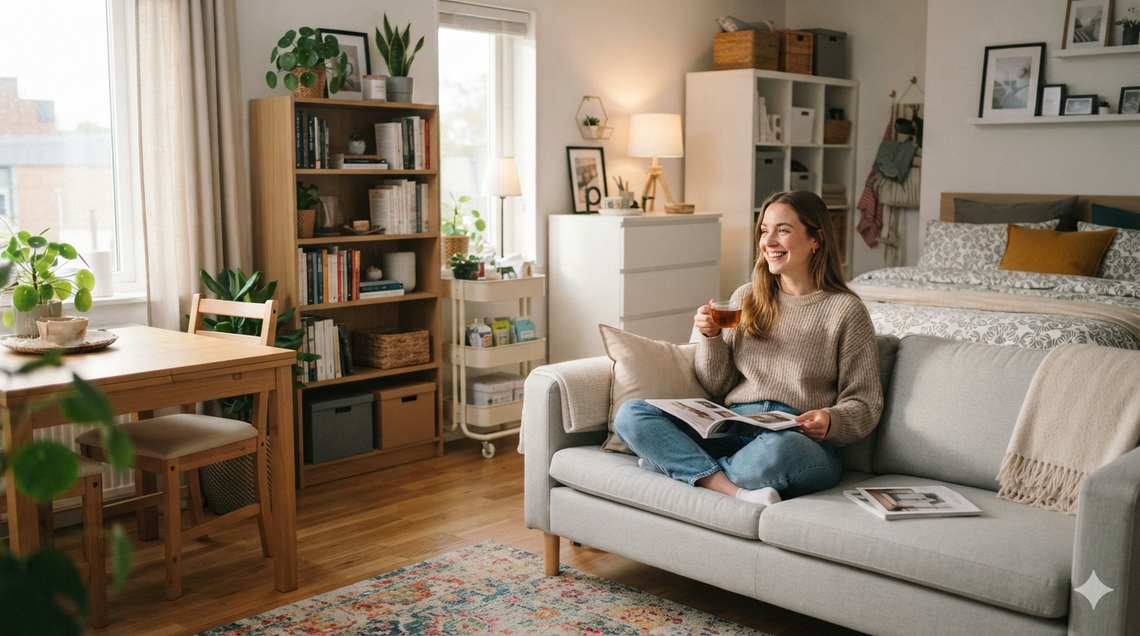
IKEA is a popular name for people who want a comfortable and stylish home. The brand is known for simple designs and useful products. Its furniture often combines function, clean lines, and practical prices. You can find products for almost every room. These include sofas, beds, tables, desks, wardrobes, and kitchen items. IKEA also offers lighting, rugs, decorations, and storage products. This makes shopping easier for people planning a complete room makeover. Another useful feature is its focus on small spaces. Many products are designed to save room while keeping homes organized. From a first apartment to a family home, there are many choices. However, smart shopping can help you get better value. Understanding materials, sizes, assembly, and care is important before buying. This guide explains how to choose useful products and create a home that feels personal.
What Makes IKEA So Popular?
IKEA has built its reputation around practical home products with simple designs. Many shoppers like the clean appearance of its furniture. The products can also fit different decorating styles. A simple shelf can work in a bedroom, office, or living room. This flexibility makes furniture easier to reuse when your needs change. IKEA also focuses strongly on efficient packaging. Many products are sold as flat packs. This helps reduce storage and transportation needs. Customers usually assemble the furniture at home. Assembly can take some time, but clear instructions often make the process manageable. The wide product range is another major advantage. Shoppers can find furniture, kitchen tools, textiles, lighting, and decorations together. This creates a convenient shopping experience. For people furnishing a new home, having many categories in one place can save time and effort.
A Quick Look at IKEA Products
The IKEA range covers many parts of everyday home life. Furniture is one of its best-known categories. Popular options include beds, wardrobes, bookcases, desks, dining tables, and sofas. Storage products are also important because they help reduce clutter. You can choose baskets, cabinets, shelves, boxes, and drawer units. Kitchen products include cabinets, worktops, organizers, cookware, and dining accessories. Home textiles provide another simple way to change a room. Curtains, cushions, rugs, and bedding can add color without major renovations. Lighting can also change how a space feels. Table lamps, floor lamps, and ceiling lights offer different solutions. Decorative items can provide the final touch. The best choice depends on your room size, lifestyle, and budget. Instead of buying everything at once, make a list first. This approach helps prevent unnecessary purchases and keeps your home organized.
| Category | Popular Uses | Buying Tip |
|---|---|---|
| Living Room | Sofas, tables, shelves | Measure your space first |
| Bedroom | Beds, wardrobes, dressers | Check mattress and storage sizes |
| Kitchen | Cabinets, organizers, cookware | Plan measurements carefully |
| Office | Desks, chairs, storage | Consider working height |
| Bathroom | Storage and accessories | Check moisture suitability |
| Decor | Rugs, cushions, frames | Match colors with existing items |
| Lighting | Lamps and fixtures | Think about room brightness |
| Storage | Boxes, shelves, cabinets | Choose based on actual clutter |
How to Choose IKEA Furniture
Choosing furniture should begin with measurements. Measure the room before visiting a store or ordering online. Record the width, depth, and height of available areas. Also measure doorways and narrow hallways. Large furniture may not fit through them. Think about how you use the room each day. A family may need durable seating and extra storage. A student may prefer a compact desk and simple shelving. Your lifestyle should guide your choices. Color is also important, but function should come first. Neutral furniture can work with many decorating styles. You can then add personality through cushions, artwork, rugs, and plants. Check product dimensions carefully before purchasing. Read material information and care instructions too. This can help you understand how much maintenance a product needs. A few minutes of planning can prevent expensive mistakes. Good furniture should fit your space and support your daily routine.
IKEA Furniture for Small Spaces
Small homes need smart furniture choices. Every item should provide a useful purpose. Storage beds can help use space that would otherwise remain empty. Wall shelves can keep items off the floor. Narrow cabinets can provide storage without blocking walkways. A compact desk can create a work area in a small bedroom. Foldable or flexible furniture can also help. Some pieces can serve different purposes throughout the day. A dining table can become a workspace when needed. Open shelving can make a small room feel less closed. However, too many shelves can create visual clutter. Keep frequently used items easy to reach. Store less-used items in boxes or cabinets. Choose lighter colors when you want an open feeling. Mirrors can also help reflect light around a room. The goal is not simply to add storage. The goal is to create a space that feels comfortable and easy to use.
Creating a Stylish IKEA Living Room
A living room should feel welcoming and practical. Start with the main seating area. Choose a sofa that fits the room without blocking movement. Add a coffee table that leaves enough walking space. Storage furniture can keep books, games, and electronics organized. Rugs can help define different areas within an open room. Cushions and throws can add texture and personality. Lighting should include more than one source when possible. A ceiling light provides general illumination. Floor and table lamps can create a warmer atmosphere. Wall art can make plain walls more interesting. Plants can add a natural element to the room. IKEA products can provide a base, but personal details make the room unique. Avoid copying a complete showroom setup. Instead, select pieces that match your lifestyle. A home should feel lived in, not like a furniture display. Simple changes can make affordable furniture feel much more personal.
IKEA Bedroom Ideas for Better Comfort
The bedroom should support rest and relaxation. Start by choosing a suitable bed and mattress combination. Make sure the bed fits comfortably within the room. Leave enough space for movement around it. Storage is another important consideration. A wardrobe should provide enough room for your clothing. Drawers can hold smaller items and accessories. Under-bed storage can be useful when floor space is limited. Bedding can change the mood of the entire room. Soft textures often make the space feel more comfortable. Curtains can help control light and provide privacy. Bedside lighting is useful for reading at night. Keep decorative items limited if you prefer a calm atmosphere. Too many objects can make a bedroom feel crowded. Choose colors that you enjoy seeing every day. The best bedroom design is one that supports your routine. Comfort should always matter more than following a trend.
Planning an IKEA Kitchen
Kitchen planning requires careful attention to measurements. Start by measuring walls, doors, windows, and available floor space. Think about where appliances will sit. Consider how you move between the sink, cooking area, and refrigerator. Good kitchen planning can make daily tasks easier. Storage should also match your cooking habits. People who cook often may need larger drawers and cabinets. Others may prefer more open space and fewer cabinets. Organizers can help make small cabinets more useful. Use separate areas for cookware, food, cleaning products, and dishes. Keep frequently used items within easy reach. Lighting is important because kitchens need clear working areas. Countertop space should also be considered carefully. Avoid filling every available surface with appliances. A clean workspace makes cooking easier. IKEA kitchen products can offer flexible solutions, but planning remains essential. Always confirm current measurements, product compatibility, and installation requirements before purchasing.
Smart IKEA Storage Solutions
Clutter can make even a large home feel uncomfortable. Good storage gives everyday items a clear place. IKEA offers many storage ideas for different rooms. Shelving works well for books, decorations, and baskets. Cabinets can hide items that you do not want on display. Drawer units are useful for smaller belongings. Boxes can organize seasonal clothing and accessories. Storage baskets can also make open shelves look cleaner. Before buying storage, identify what you need to store. Do not buy containers without knowing their purpose. Measure your available space first. Consider how often you use each item. Frequently used belongings should remain easy to reach. Rarely used items can go into higher cabinets or boxes. Labels can make storage systems easier for families. Good organization reduces daily stress. It also makes cleaning faster. The best storage solution is simple enough to maintain every day.
Understanding Flat-Pack Furniture
Flat-pack furniture is an important part of the IKEA shopping experience. Products are packed into compact boxes for transport. Customers then assemble them at home. This design can make transportation and storage easier. However, assembly requires patience and attention. Before starting, check that all parts are included. Read the instructions before using any tools. Organize screws, panels, and fittings before beginning. A clean floor can make assembly easier. Some larger products may require two people. Do not rush the process. Tightening screws too early can sometimes make alignment harder. Use the correct tools whenever possible. If you move furniture later, handle it carefully. Some products may become less stable after repeated disassembly. Proper assembly can improve safety and durability. When in doubt, follow the manufacturer’s instructions. The goal is not simply to finish quickly. The goal is to build the product correctly.
How to Make IKEA Furniture Look More Personal
Simple furniture does not have to look boring. Personal styling can make basic pieces feel unique. Start with textiles. Cushions, blankets, and rugs can add color and texture. Hardware can sometimes change the appearance of cabinets and drawers. Artwork can make shelves and walls more personal. Plants can also add warmth to simple furniture. Mixing different textures can create visual interest. Wood, fabric, metal, and glass can work well together. Avoid adding too many decorative pieces. A few meaningful objects often look better than a crowded shelf. You can also arrange furniture differently from showroom examples. Think about how you actually use the room. Your home should reflect your habits and personality. This is where affordable furniture can become more interesting. The furniture provides the foundation. Your choices provide the character.
Tips for Shopping at IKEA
A shopping list can make your trip more productive. Start by identifying the rooms you want to improve. Write down the exact products you need. Include measurements beside each item. Set a budget before shopping. This can reduce impulse purchases. Compare similar products before making a final choice. Check dimensions and materials carefully. Think about delivery and assembly costs too. Some furniture may require more time than expected. If shopping in a physical store, take notes as you move through departments. Product names and sizes can become confusing. Online product information can also help with planning. Always check current availability before making a special trip. Product ranges and stock can change. If a product is unavailable, consider whether another item can meet the same need. Smart shopping is about buying useful products. It is not about filling every room with new furniture.
IKEA and Sustainable Home Choices
Many shoppers now consider environmental impact when buying furniture. A useful first step is buying products you expect to use for years. Avoid replacing furniture simply because a trend has changed. Good care can also extend product life. Protect surfaces from unnecessary moisture and damage. Follow cleaning instructions for different materials. When possible, repair furniture instead of immediately replacing it. Reusing furniture in another room can also reduce waste. A shelf from a bedroom might later work in a home office. Old furniture may also be donated, sold, or repurposed. Think about the entire life of a product before purchasing it. A low purchase price does not automatically mean good value. Long-term usefulness matters too. Sustainable choices often begin with buying less and using items longer. This mindset can save money while reducing unnecessary consumption.
How to Build a Home on a Budget
Creating a beautiful home does not require buying everything at once. Start with essential furniture. A comfortable bed, useful storage, and suitable seating may come first. Decorative products can wait. Create a priority list based on your daily needs. Set a total spending limit for each room. Look for products that perform more than one function. A storage bench can provide seating and hidden storage. A desk can serve as both a work area and study space. Choose neutral basics when you want flexibility. You can change the appearance later with affordable accessories. Take your time before buying large furniture. Sleep on expensive decisions if necessary. Check whether you already own something that can solve the problem. The best budget strategy is to avoid unnecessary purchases. A carefully planned room can look complete without being expensive. Focus on comfort, function, and items you will use regularly.
Common Mistakes to Avoid
One common mistake is buying furniture without measuring. Even attractive furniture can become a problem if it does not fit. Another mistake is ignoring assembly requirements. Some products take more time than expected. Buyers may also focus too much on appearance. A beautiful chair is not useful if it is uncomfortable. Storage is another area where planning matters. Buying too many small organizers can create more clutter. It is better to understand your storage needs first. Avoid purchasing items simply because they look good in a showroom. Showrooms are carefully arranged and may not match your home. Think about your own lighting, floor space, and daily habits. Also check care instructions before purchasing certain materials. Maintenance can affect long-term satisfaction. Finally, avoid trying to decorate every corner immediately. Let your home develop naturally. A thoughtful room usually feels better than a room filled with random purchases.
Why IKEA Can Be a Practical Home Choice
IKEA offers a wide range of products for everyday living. Its simple designs can work in many different homes. Furniture can be combined with other brands and personal items. Storage products can help make busy spaces easier to manage. Flat-pack designs can also make transportation more practical. However, the best results come from thoughtful planning. Measure your room before purchasing furniture. Understand your storage needs. Consider materials, care, assembly, and long-term use. Most importantly, buy based on your actual lifestyle. A stylish room does not need to follow a showroom exactly. Your home should support the way you live. When you focus on function first, decorating becomes easier. Small changes can create major improvements. With careful choices, you can create a comfortable home without unnecessary spending.
Frequently Asked Questions
1. What is IKEA best known for?
IKEA is best known for affordable home furnishings and practical Scandinavian-inspired designs. Its range includes furniture, storage, lighting, kitchen products, textiles, and decorations. The company is also widely associated with flat-pack furniture that customers assemble at home. Its products often focus on simple shapes and everyday function. This makes them suitable for many types of homes and rooms.
2. Is IKEA furniture good for small apartments?
Yes, many products can work well in small apartments. Compact desks, shelving, storage units, and flexible furniture can help use limited space. The key is choosing the right size. Always measure the room before purchasing. Avoid filling a small room with too many large pieces. Good organization can make a small home feel much more comfortable.
3. How can I make IKEA furniture look expensive?
You can improve the appearance through thoughtful styling. Add quality-looking textiles, attractive lighting, plants, artwork, and personal accessories. Keeping surfaces organized also makes a major difference. Choose a simple color scheme and avoid excessive decoration. The furniture itself does not need to be expensive. Good arrangement and careful styling can create a polished result.
4. Is IKEA furniture difficult to assemble?
Assembly difficulty depends on the product. Smaller items are often easier to build. Larger wardrobes, beds, and cabinets can require more time. Read the instructions before beginning. Keep all parts organized and use suitable tools. For larger products, having another person can make assembly easier. Never rush an assembly step involving stability or structural support.
5. How do I choose the right IKEA storage?
Start by identifying what you need to store. Then measure the available space. Consider how often you use each item. Frequently used products should be easy to access. Less-used items can go into boxes or higher cabinets. Choose storage based on your real needs rather than appearance alone. A simple storage system is easier to maintain.
6. Is IKEA suitable for a complete home makeover?
Yes, it can provide products for many areas of a home. You can find furniture, kitchen products, lighting, storage, textiles, and decorations. However, you do not need to buy everything from one brand. Mixing products can make a home feel more personal. Focus on creating a space that fits your lifestyle, budget, and comfort needs.
Conclusion
IKEA can be a useful starting point for creating a comfortable and organized home. Its wide range gives shoppers many choices for different rooms and budgets. The biggest benefit comes from combining practical products with thoughtful planning. Measure your space before buying furniture. Think about storage before adding decorations. Check materials, dimensions, assembly needs, and care instructions. Most importantly, choose products that support your everyday life. A beautiful home is not about owning the most furniture. It is about making good use of the space you have. Start with the essentials and add personal touches over time. This approach can help you create a home that feels comfortable, useful, and truly yours.


