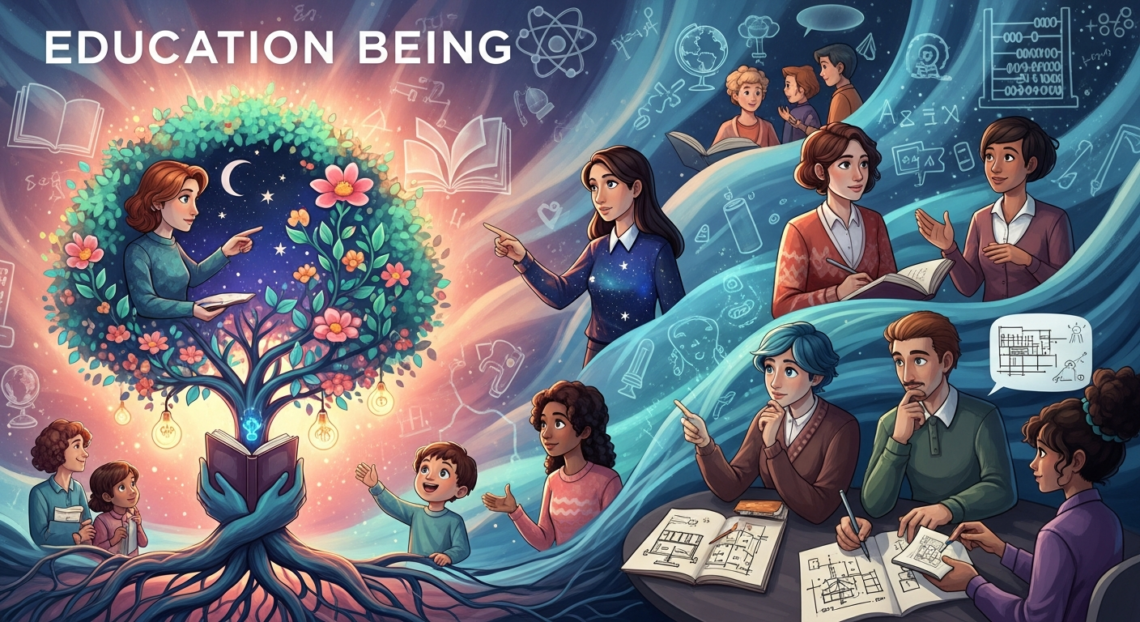
Learning is more than memorizing facts. EducationBeing is about embracing knowledge, growth, and curiosity in everyday life. It combines practical learning with personal development, helping people thrive academically and personally. Unlike traditional education that focuses solely on exams or certificates, EducationBeing encourages holistic growth. It nurtures critical thinking, creativity, and emotional intelligence. In today’s fast-changing world, this approach prepares learners not only for jobs but for life itself.
What is EducationBeing?
EducationBeing is a unique approach that blends formal education with life skills. It prioritizes understanding over rote learning and encourages exploration. The core idea is that learning should be meaningful, engaging, and applicable in real life. This method emphasizes personal experience, self-reflection, and continuous curiosity. Unlike conventional systems that prioritize grades, EducationBeing measures progress through knowledge application, creativity, and problem-solving.
Why EducationBeing Matters
In a world where knowledge doubles rapidly, traditional learning alone is not enough. EducationBeing equips individuals to adapt and innovate. By fostering curiosity and lifelong learning habits, it prepares students for challenges beyond classrooms. Employers today value adaptability, problem-solving, and emotional intelligence—all nurtured by EducationBeing. Moreover, learners feel more motivated and confident when they connect education with personal growth.
Key Principles of EducationBeing
- Curiosity Over Memorization: Encourage questions and exploration.
- Practical Learning: Apply knowledge to solve real-world problems.
- Lifelong Growth: Learning never stops. Every experience adds value.
- Emotional Intelligence: Recognize emotions and understand others.
- Collaboration and Communication: Share ideas and learn together.
These principles make EducationBeing a holistic and human-centered approach to learning.
Benefits of EducationBeing
EducationBeing offers multiple advantages:
- Builds critical thinking and decision-making skills.
- Fosters creativity and innovation.
- Improves communication and teamwork.
- Encourages lifelong learning habits.
- Enhances emotional well-being and self-awareness.
Students practicing EducationBeing often outperform their peers in both academics and real-life problem-solving.
How to Implement EducationBeing in Daily Life
- Set Small Goals: Break learning into manageable steps.
- Reflect Regularly: Journaling or self-assessment improves understanding.
- Learn by Doing: Experiments, projects, and hands-on tasks deepen knowledge.
- Seek Feedback: Constructive criticism fosters growth.
- Stay Curious: Explore new topics and interests consistently.
These strategies help learners internalize EducationBeing principles naturally.
EducationBeing in Schools
Schools adopting EducationBeing focus on holistic development rather than grades alone. Classrooms encourage discussions, teamwork, and critical thinking. Teachers act as guides, fostering curiosity and creativity. Students participate in projects, experiments, and collaborative learning. This approach ensures students not only master subjects but also build life skills like resilience, empathy, and adaptability.
EducationBeing for Adults
Lifelong learning is essential for personal and career growth. EducationBeing principles can guide adults through professional development, hobbies, or self-improvement. Online courses, workshops, and reading are practical ways to practice EducationBeing as an adult. This approach helps adults stay relevant in fast-changing industries and remain mentally active.
Tools and Resources to Support EducationBeing
- Online Learning Platforms: Interactive courses for skill-building.
- Educational Apps: Gamified learning and self-paced study.
- Community Groups: Peer learning and mentorship programs.
- Books and Journals: Encourage reflection and self-directed learning.
- Workshops and Seminars: Hands-on learning experiences.
Leveraging these resources ensures effective implementation of EducationBeing principles.
EducationBeing Biography Table
| Attribute | Details |
| Name | EducationBeing |
| Concept Type | Holistic Learning Approach |
| Key Principles | Curiosity, Practical Learning, Lifelong Growth, Emotional Intelligence |
| Target Audience | Students, Professionals, Lifelong Learners |
| Benefits | Critical Thinking, Creativity, Communication, Emotional Awareness |
| Tools & Resources | Online Courses, Apps, Workshops, Books |
| Implementation Method | Goal Setting, Reflection, Hands-on Learning, Feedback |
| Outcome | Personal Growth, Academic Success, Career Readiness |
Real-Life Examples of EducationBeing
- A student using EducationBeing explored coding through practical projects rather than textbooks.
- A professional applied EducationBeing by attending workshops and reflecting daily, improving problem-solving skills.
- Communities using EducationBeing organize learning circles to share knowledge and skills collectively.
These examples show the tangible impact of integrating EducationBeing in daily routines.
Conclusion
EducationBeing is more than learning—it’s a journey of growth, curiosity, and self-improvement. By embracing its principles, anyone can enhance knowledge, skills, and personal development. Whether you’re a student, adult learner, or educator, EducationBeing transforms education into a lifelong adventure. Start today, explore new skills, and share your learning journey with others!
FAQs About EducationBeing
Q1: What is the main goal of EducationBeing?
A1: To promote lifelong learning, personal growth, and practical application of knowledge.
Q2: How is EducationBeing different from traditional education?
A2: It focuses on curiosity, real-life skills, and emotional intelligence rather than grades.
Q3: Can adults practice EducationBeing?
A3: Absolutely! Through online courses, workshops, and self-directed learning.
Q4: What are the key benefits of EducationBeing?
A4: Improved critical thinking, creativity, communication, and emotional awareness.
Q5: How can schools implement EducationBeing?
A5: By encouraging collaborative learning, hands-on projects, and reflective practices.
Q6: Are there tools to support EducationBeing?
A6: Yes, including educational apps, online courses, books, and community learning groups.
Also Read More about This Post: EducationBeing