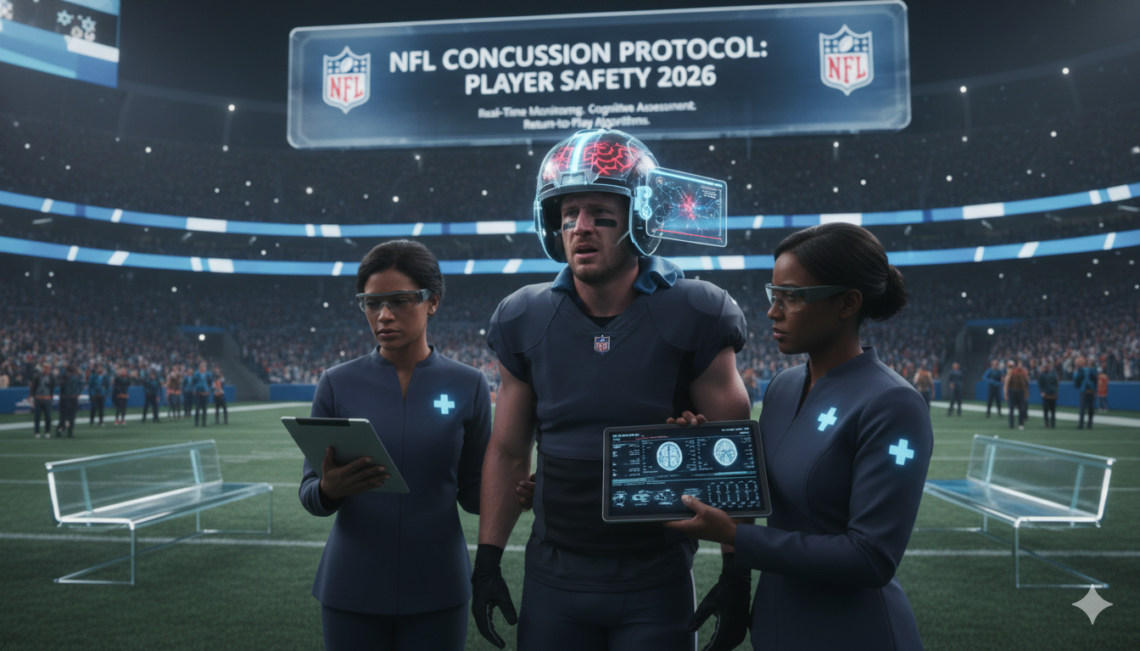
The NFL is a high-speed game where big hits are part of the action. Because the game is so fast, staying safe is the most important goal for everyone involved. The concussion protocol NFL is a special set of rules designed to protect players from head injuries. If a player hits their head, they don’t just “shake it off” anymore. Instead, a team of doctors and experts steps in to make sure the brain is healthy before the player ever goes back onto the field. This system has changed a lot over the years to become more strict and careful.
Understanding the concussion protocol NFL helps fans see how much work goes into player wellness. It isn’t just about one game; it is about a player’s life after football too. When a player enters the protocol, they follow a very specific path. This path includes rest, light exercise, and many tests. Only when they pass every single test can they play again. It is a smart way to manage the risks of a physical sport like football while keeping the stars we love healthy and happy.
What Exactly is the Concussion Protocol NFL?
The concussion protocol NFL is a safety roadmap used to find and treat brain injuries. A concussion happens when a hard hit makes the brain move quickly inside the skull. This can cause dizziness, headaches, or confusion. In the past, players might have stayed in the game, but today’s rules are much tougher. The protocol ensures that any player with a suspected head injury gets immediate medical attention from neutral doctors who do not work for the team.
This system is built on the idea that the brain needs time to heal. You cannot see a concussion like a broken arm, so doctors use special tests to check how the brain is working. The concussion protocol NFL is constantly updated by medical experts to include the latest science. By having a clear set of steps, the league removes the pressure from players or coaches to make a fast decision. Safety always comes first, no matter how important the game is for the standings.
The Role of Unaffiliated Neurotrauma Consultants (UNCs)
One of the most important parts of the concussion protocol NFL is the use of UNCs. These are independent brain doctors who sit on the sidelines during every single game. They do not work for the Kansas City Chiefs, the Philadelphia Eagles, or any other team. Because they are independent, they can make fair decisions without worrying about who wins the game. Their only job is to watch the players and spot anyone who looks hurt or dizzy after a big collision.
If a UNC sees something concerning, they have the power to stop the game. They work alongside the team’s medical staff to perform “sideline assessments.” This involves asking the player questions, checking their balance, and looking at their eyes. Having these experts involved adds a high level of trust to the concussion protocol NFL. It means a second pair of eyes is always watching out for the players’ best interests, even when the stadium is loud and the energy is high.
Symptom-Limited Activity
The first stage of the concussion protocol NFL is all about total rest. When a player is diagnosed with a concussion, their brain needs a break from everything. This means no loud music, no bright lights, and definitely no football practice. The player might spend a few days Relaxing at home or in a quiet room. The goal here is to get through a normal day without feeling a headache or feeling sick to their stomach.
During this time, the team’s medical staff monitors the player closely. They want to see that the most basic symptoms are fading away. Even looking at a phone screen can sometimes be too much for a healing brain. By starting the concussion protocol NFL with rest, the body can focus all its energy on recovery. It is a slow start, but it is the most vital foundation for getting back to the “gridiron” safely and effectively.
Aerobic Exercise and Conditioning
Once a player feels better while resting, they move to Step 2 of the concussion protocol NFL. This step introduces very light movement. The player might ride a stationary bike or walk on a treadmill for a short time. They are not wearing a helmet or pads yet. Doctors want to see if increasing the player’s heart rate causes any of the old symptoms to come back. If the player feels fine after a light workout, they are doing great.
If a headache returns during a walk, the player must stop and go back to Step 1. This “fail-safe” is a huge part of the concussion protocol NFL. It prevents a player from rushing through their recovery. Coaches and trainers watch the player’s balance and coordination during these light drills. It is like a slow “warm-up” for the brain. Only when the player can exercise without any issues are they allowed to move forward to more intense activities.
Football-Specific Exercises
Step 3 is where things start to look a bit more like football. In this phase of the concussion protocol NFL, the player can start doing drills that relate to their position. A quarterback might throw some passes, or a wide receiver might run some routes. However, there is still zero contact allowed. No one is allowed to hit the player or even bump into them. They are still working on their own or in very small, controlled groups.
This stage tests if the brain can handle the quick movements and agility required for the sport. The concussion protocol NFL requires that the player mimics the “game speed” of a Sunday afternoon without the risk of another hit. It is a middle ground between resting and playing. If the player can run, jump, and catch while feeling 100% healthy, the team doctors begin to prepare them for the final hurdles of the return-to-play process.
Non-Contact Training Drills
At Step 4, the player is almost back to normal. They can join the rest of the team for practice, but they usually wear a different colored jersey (often red) to show they cannot be hit. They participate in team meetings, play-calling, and complex drills. The concussion protocol NFL uses this stage to see if the player can handle the mental side of the game, like remembering plays and reacting to teammates, while physically exerting themselves.
The medical team continues to check the player after every practice session. They are looking for “delayed symptoms” that might pop up a few hours later. Because the concussion protocol NFL is so thorough, they leave nothing to chance. This stage is vital for a player’s confidence. It helps them feel like a part of the team again. Once they finish this stage without any setbacks, they are ready for the final and most important check-up with an outside expert.
Full Football Activity and Clearance
The final step of the concussion protocol NFL is the most difficult to pass. The player must be examined by the Independent Neurological Consultant (INC). This is a different doctor than the one on the sidelines. The INC reviews all the data from the previous four steps. They look at the test scores, the workout logs, and the player’s own reports. If the INC believes the player is fully healed, they give the “green light” for full contact.
Once cleared, the player can finally put on their full pads and participate in a real game. The concussion protocol NFL ensures that the decision is not just made by the team, but confirmed by an outside professional. This double-check system is what makes the NFL’s safety rules some of the best in professional sports. It gives the player, their family, and the fans peace of mind that the athlete is truly ready to compete at the highest level again.
NFL Concussion Protocol Overview Table
| Stage | Activity Level | Goal of the Stage | Contact Allowed? |
| 1. Symptom-Limited Rest | Total Rest | Recovery of brain tissue | No |
| 2. Light Aerobic Exercise | Walking/Biking | Increase heart rate slowly | No |
| 3. Football Drills | Running/Position work | Test agility and balance | No |
| 4. Non-Contact Practice | Team drills (Red Jersey) | Test mental play-processing | No |
| 5. Full Clearance | Full Practice/Games | Return to “Game Speed” | Yes (After INC approval) |
The “Spotters” in the Press Box
Did you know there are people in the stadium whose only job is to watch for injuries through binoculars? These are called “ATC Spotters.” They sit high up in the press box and have access to video replays from many angles. If they see a player take a hard hit to the head, they can call down to the field immediately. This is a key part of the concussion protocol NFL because sometimes the coaches or referees miss a quick hit during a busy play.
These spotters can even use a “Medical Timeout.” This stops the game so the player can be removed and checked out. It doesn’t matter if it’s a playoff game or the Super Bowl; if a spotter sees a player stumbling or looking “woozy,” the concussion protocol NFL kicks in. This “eye in the sky” approach ensures that no injury goes unnoticed. It is a great example of using technology and extra sets of eyes to keep our favorite athletes safe from harm.
Why Brain Health Matters for the Future
The league focuses on the concussion protocol NFL because we have learned a lot about brain health in recent years. Doctors now know that “second impact syndrome” is very dangerous. This happens when a player gets a second head injury before the first one has healed. It can cause long-term problems with memory, mood, and health. By using a strict protocol, the NFL prevents these second hits from happening, which protects players for the rest of their lives.
Many retired players have spoken about the importance of these rules. They want the younger generation to play the game they love without hurting their futures. The concussion protocol NFL is a promise to the players that their health is more important than any trophy or touchdown. As science gets better, these rules will likely get even more advanced. It is all part of making football a sustainable and safer sport for everyone to enjoy for a long time.
Equipment and Technology Upgrades
Beyond the concussion protocol NFL, the league is also changing what players wear. You might notice some players wearing “Guardian Caps” during practice. These are soft covers that go over the helmet to absorb shock. The league is also using “smart” mouthguards that have sensors inside. These sensors tell doctors exactly how hard a hit was in real-time. This data helps improve the protocol by showing which types of hits are the most dangerous.
Helmets are also getting better every year. Companies now make helmets specifically for different positions. A lineman’s helmet is built for short, frequent hits, while a wide receiver’s helmet is built for high-speed collisions. These tools work together with the concussion protocol NFL to create a “shield” of safety. While no sport can be 100% safe, the combination of high-tech gear and strict medical rules makes a massive difference in preventing serious injuries on the field.
Conclusion: A Safer Game for Everyone
The concussion protocol NFL is a vital part of modern football. It shows that the league is listening to doctors and caring for its players. By following a five-step plan, using independent experts, and watching every play from the sky, the NFL has created a system that prioritizes the brain over the scoreboard. It is a tough process, but it is one that players and fans should be proud of. Safety makes the game better for everyone involved.
As we look to the future, the concussion protocol NFL will continue to lead the way for other sports. High schools and colleges often look at these rules to create their own safety plans. When we see a player leave the game to be checked, we should remember that the system is working. It means the experts are doing their job to ensure that player can play again another day. Let’s continue to support these safety measures and enjoy the game knowing health is the top priority!
Frequently Asked Questions (FAQs)
1. How long does the concussion protocol NFL usually take?
There is no set time. Some players finish in 5 or 6 days, while others may take weeks. Every brain is different, and the concussion protocol NFL requires the player to be symptom-free before moving to the next step.
2. Can a coach force a player to return early?
No. Because of the Independent Neurological Consultant (INC) and the UNCs on the sideline, coaches do not have the final say. The concussion protocol NFL is designed to keep the decision in the hands of medical professionals only.
3. What are the signs that a player is entering the protocol?
If a player shows “gross motor instability” (stumbling or falling), looks confused, or has a slow reaction time after a hit, they are immediately taken to the blue medical tent to start the concussion protocol NFL.
4. Does the protocol apply to preseason games?
Yes. The concussion protocol NFL is active for every practice, preseason game, regular-season game, and the playoffs. Safety does not take a day off!
5. What is the “Blue Medical Tent” on the sidelines?
The tent is a private place where doctors can examine a player away from the cameras and noise. It is where the initial sideline check for the concussion protocol NFL takes place to decide if a player needs to go to the locker room.